Understanding Occasion Cakes
Occasion cakes are specially crafted desserts designed to commemorate significant life events and celebrations. These cakes hold a central role in various festivities, serving as both a visual focal point and an embodiment of joy and togetherness among friends and family. The rich tradition of incorporating cakes into celebrations can be observed across numerous cultures, where they often mark milestones, acknowledge achievements, or simply bring loved ones together to celebrate cherished moments.
There are countless types of occasion cakes, each with unique flavors and designs tailored to specific celebrations. For instance, during Father’s Day, cakes may be adorned with themes that reflect paternal hobbies or interests, while Mother’s Day cakes often convey elegance and affection through floral designs or favorite flavors. Seasonal celebrations, such as Christmas and Easter, feature cakes infused with festive elements, such as spice, fruits, and vibrant decorations, enriching the atmosphere of the gatherings.
Moreover, cultural events like Mehndi reflect the significance of cake in communal celebrations, where intricate designs and flavors resonate with the traditions of the ceremony. These cakes not only satiate the palate but also symbolize sharing and bond, acting as a centerpiece during festivities. They serve as a tangible expression of loving sentiments, demonstrating care and affection for the people being honored.
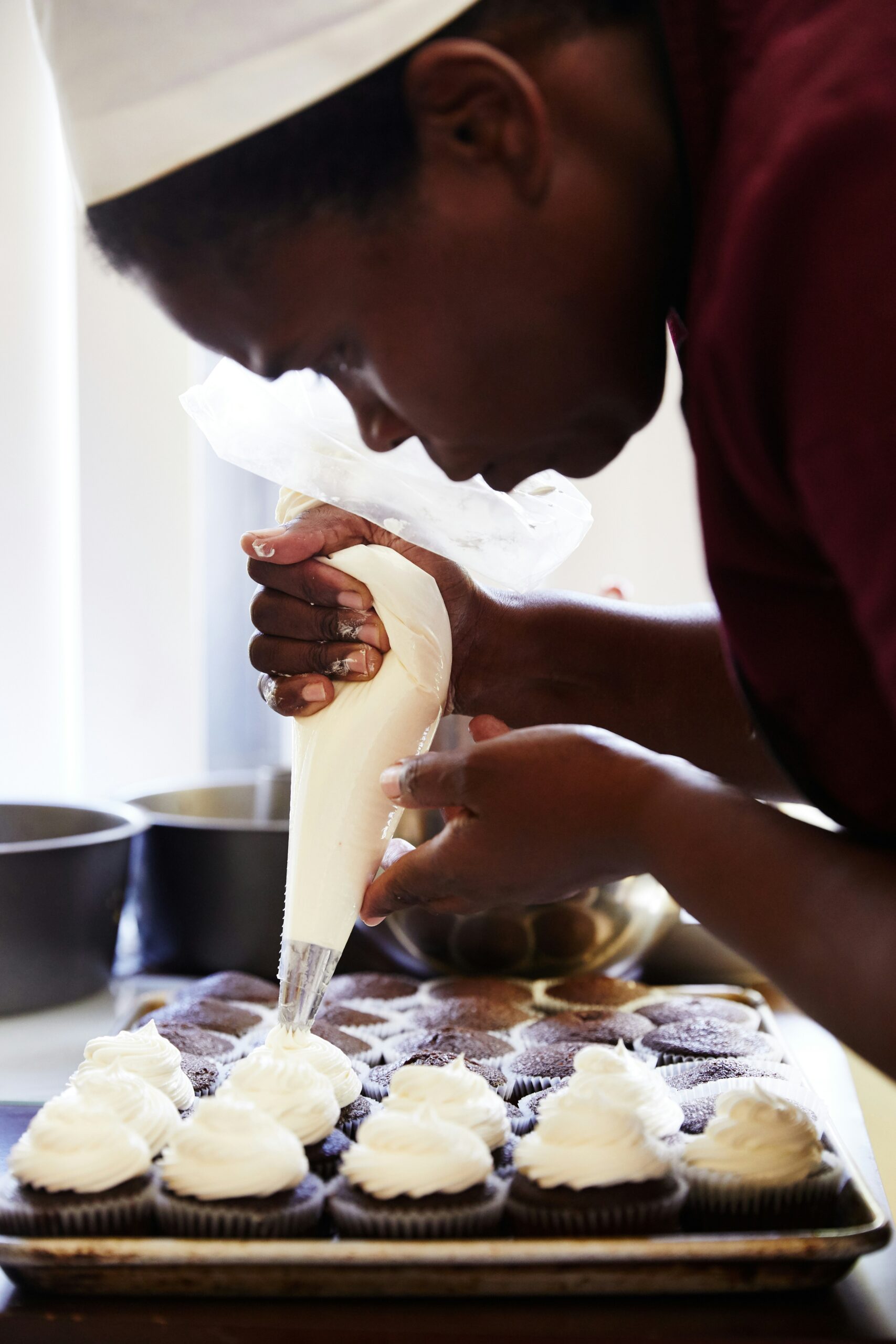
The process of crafting occasion cakes involves not only delicious recipes but also artistry and creativity, with bakers pouring their imagination into flavors and designs that resonate with the essence of the celebration. Ultimately, cakes transcend their status as mere desserts, becoming an integral part of the fabric of gatherings that mark life’s special moments.
Cakes for Father’s Day and Mother’s Day
Celebrating special occasions with cakes is a cherished tradition, and Father’s Day and Mother’s Day present excellent opportunities to create delightful desserts that honor these significant figures in our lives. When choosing cakes for these celebrations, it’s essential to consider the tastes and preferences of the individual parent, opting for flavors and designs that resonate with them. Popular choices for Father’s Day cakes often include rich flavors such as chocolate, coffee, or caramel, appealing to fathers who enjoy a dessert with a bit of depth. In contrast, cakes for Mother’s Day typically lean towards lighter options like vanilla, strawberry, or lemon, which can evoke feelings of spring and freshness.
Moreover, the theme and design of the cake play a crucial role in its impact. For Father’s Day, consider a cake shaped like a car, a grill, or even a personalized cake imprinted with a favorite sports logo. Personal touches, such as incorporating his hobbies, can make the dessert even more special. For Mother’s Day, floral designs or pastel colors often embody the spirit of the day. Perhaps a beautifully decorated cake adorned with edible flowers would be a fitting tribute to a mother’s nurturing nature.
In addition to flavors and designs, presentation is vital. Elevating the experience with themed decorations, such as using heart-shaped platters for Mother’s Day or rustic wooden boards for Father’s Day, can enhance the overall aesthetic. Furthermore, personalizing the occasion cakes with thoughtful messages or even including a small photo can make a lasting impression. By paying attention to these details, both Father’s Day and Mother’s Day can be elevated through the art of cake-making, transforming a simple dessert into a heartfelt moment of celebration.
Creating memorable occasion cakes for these holidays requires a blend of personal preference, attention to design, and careful presentation, resulting in sweet treats that perfectly encapsulate the essence of family love and appreciation.
Festive Cakes for Christmas and Easter
Cakes hold a significant place in the celebrations of Christmas and Easter, acting as both a centerpiece and a sweet offering that embodies the spirit of joy and togetherness. These occasions inspire a variety of traditional recipes, alongside innovative contemporary twists reflecting the evolving tastes of modern bakers. At Christmas, classic options like rich fruitcake or gingerbread cake take prominence, often enveloped in a layer of marzipan and royal icing, creating an elegant display. Similarly, Easter celebrates with delightful options such as carrot cake adorned with cream cheese frosting, encapsulating the season’s flavors beautifully.
When considering flavor combinations for festive cakes, it is essential to think about seasonal ingredients. For Christmas, flavors such as cinnamon, nutmeg, and cloves commonly emerge, often harmonized with nuts and dried fruits. Easter, on the other hand, invites zesty citrus notes and fresh fruits, introducing ingredients like lemon, orange zest, or even a ripple of berry compote. Furthermore, incorporating elements such as chocolate or spices can create an exciting twist on these traditional delights.
Decorations for these festive occasion cakes can significantly enhance their appeal, allowing bakers to express creativity while also embracing seasonal themes. For Christmas cakes, decorations might include quaint sugar figurines, holly leaves, or even edible glitter to evoke the festive mood. Meanwhile, Easter cakes can be adorned with colorful icing flowers, chocolate eggs, or even delicate sugar rabbits, evoking the playful essence of the holiday.
Engaging in the communal aspect of sharing cakes during these holidays fosters deeper connections among family and friends. Whether it be at a family gathering or a festive community event, partaking in sweet treats can conjure warm memories, fortifying bonds that can last a lifetime. Therefore, whether through traditional recipes or modern renditions, the act of baking and sharing occasion cakes remains a cherished tradition during Christmas and Easter.
Cakes for Cultural Celebrations: Mehndi and Beyond
Cakes play an integral role in cultural celebrations, adding sweetness to significant events. One notable example is the Mehndi ceremony, a festive occasion observed in many cultures, often as part of wedding celebrations. This event is characterized by intricate henna designs and lively gatherings, and cakes in these contexts can bring an additional layer of joy and flavor. Choosing the right cake that reflects the cultural essence of the event can enhance the overall experience and leave lasting memories.
To infuse cakes with cultural elements, one can consider using traditional flavors and ingredients that resonate with the specific heritage of the celebration. For instance, flavors like cardamom, rose, and saffron, commonly associated with South Asian cuisine, can enhance the cake’s unique identity. Additionally, incorporating local fruits or spices can create a cake that not only tastes delightful but also represents the cultural richness of the occasion. Design plays a crucial role as well; cakes decorated with traditional motifs, such as paisleys or mandalas, can visually reflect the significance of Mehndi and other celebrations, showcasing artisanal craftsmanship.
Dietary preferences and restrictions are essential considerations when planning cakes for cultural festivities. Whether accommodating gluten-free, vegan, or nut-free diets, incorporating thoughtful substitutions ensures that all guests can partake in the celebratory treats. Taking these preferences into account allows for an inclusive atmosphere, particularly during significant occasions such as Mother’s Day, Father’s Day, Christmas, or Easter, where family gatherings are prominent. In this way, cakes become more than just sugary treats; they are symbols of cultural pride, inclusivity, and celebration.
In conclusion, creating cakes for cultural celebrations like Mehndi requires a blend of thoughtful flavors, beautiful designs, and consideration for diverse dietary needs. This not only elevates the cake’s role in the celebration but also honors the rich traditions of the event, ensuring that joy and sweetness are shared by all.