The History of Birthday Cakes
The tradition of celebrating birthdays with cakes has roots that can be traced back to ancient civilizations. The earliest known occurrences of birthday cakes can be linked to the Egyptians, who celebrated the pharaoh’s birthday by presenting a loaf of bread shaped into a circular form. This act was later mirrored by the Greeks, who honored Artemis, the goddess of the hunt, with round cakes adorned with candles symbolizing the moon’s glow. The sweetness of these offerings symbolized prosperity and joy, marking the significance of the occasion.
As the custom evolved, the Romans made significant contributions to the history of birthday cakes by celebrating the birthdays of prominent members of society with elaborate feasts that included specially baked goods. These cakes were enriched with various ingredients, reflecting the availability of localized produce and delicacies. By the Middle Ages, cakes had further transformed, becoming more sophisticated with the use of rich ingredients such as sugar and eggs, made particularly available through trade.
Through the ages, the birthday cake has evolved, yet it remains an enduring symbol of celebration, camaraderie, and joy, reflecting the cultures and traditions of those who partake in this sweet occasion.
Types of Birthday Cakes and Their Unique Features
When it comes to birthday cakes, the options are virtually limitless, with various types tailored to suit different tastes and dietary preferences. One of the most traditional choices is the layered cake, often composed of multiple tiers filled with rich creams, jam, or fruit. Layered cakes can come in an array of flavors, including vanilla, chocolate, and red velvet, offering a classic and visually appealing centerpiece for any celebration.
Novelty cakes have also gained popularity, particularly for themed birthday parties. These cakes are uniquely designed to represent specific characters, hobbies, or interests, making them ideal for children and adults alike. Novelty cakes often incorporate creative decorations and vibrant colors, appealing to the playful and imaginative side of cake design.
For those with dietary restrictions, there are several alternative options that ensure everyone can partake in the celebratory goodness. Vegan cakes, which forgo animal products, can be equally delicious and come in various flavors such as carrot, chocolate, or coconut. Similarly, gluten-free cakes offer a satisfying option for individuals with gluten sensitivities, often made with alternatives like almond flour or coconut flour that provide distinct textures and flavors.
In addition to these, other types of cakes such as mousse cakes, cheesecake, and chiffon cakes also present their unique features and textures. Mousse cakes are light and airy with creamy textures, while cheesecakes boast a rich, dense nature that can be flavored with fruit or chocolate. Chiffon cakes, lighter than traditional sponge cakes, use oil to create a moist, tender crumb. Each variety of cake caters to different taste preferences and occasions, providing a delightful array of choices for your birthday celebrations.
Personalizing Your Birthday Cake: Tips and Ideas
Personalizing a birthday cake is an excellent way to add a unique touch to the celebration and create a memorable experience. Customization can reflect the individual tastes and preferences of the birthday person, ensuring that the cake serves not only as a dessert but also as a focal point of the festivities. Several techniques can be employed to achieve this personalization, elevating the cake from ordinary to extraordinary.
One effective way to personalize a birthday cake is through decoration techniques. Consider using fondant, which allows for smooth surfaces that can be molded into various shapes and designs. This versatility is perfect for creating intricate decorations that match the party’s theme or the birthday person’s favorite characters or hobbies. Additionally, incorporating vibrant colors using edible gels or airbrush techniques can bring the cake to life, ensuring it resonates with the overall party atmosphere.
Custom cake toppers also play a pivotal role in personalization. These can be tailored to represent the birthday individual, such as a miniature figure or a figurine symbolizing their interests—be it sports, hobbies, or professional achievements. Personalized messages, such as the person’s name or a special date, can be elegantly crafted and placed atop the cake, adding a heartfelt element. Furthermore, adding thematic additions like fresh flowers, themed cake boards, or edible images can significantly enhance the cake’s appeal and cohesiveness with the event.
When personalizing a cake, it is essential to consider the interests and personality of the individual. Thoughtful elements, such as favorite colors, flavors, and styles, should be layered into the design process. This approach fosters a deeper connection and showcases the effort put into the creation. Ultimately, a personalized birthday cake not only satisfies the palate but also captivates the heart, making the celebration truly special.
Baking the Perfect Birthday Cake: A Step-by-Step Guide
Baking a birthday cake from scratch can be a rewarding experience, allowing you to tailor the flavors and designs to personal preferences. To begin, gather the necessary ingredients: high-quality flour, unsweetened cocoa powder for chocolate cakes, granulated sugar, butter, eggs, baking powder, vanilla extract, and a pinch of salt. Fresh ingredients are essential for achieving the best results, so opt for organic and local options when possible.
Start by preheating your oven to the desired temperature, typically 350°F (175°C). Prepare your baking pans by greasing and flouring them to prevent sticking. If you are using a springform or circular pan, consider lining the bottom with parchment paper for added assurance. Next, in a mixing bowl, cream the softened butter and sugar together until light and fluffy, which usually takes about 3-5 minutes. This process incorporates air into the batter, contributing to a lighter texture.
Add the eggs one at a time, fully incorporating each egg before adding the next. Following this, incorporate the dry ingredients, alternating with the liquids, starting and ending with the dry. Mix until just combined; overmixing can lead to a dense cake. To achieve a fluffy birthday cake, be cautious in measuring your flour—spoon it into measuring cups and level it off without packing it down.
Once the batter is ready, divide it evenly between the prepared pans and smooth the tops. Bake for the recommended time, usually between 25-35 minutes, and check for doneness by inserting a toothpick in the center—if it comes out clean, your cake is ready. Allow the cakes to cool in the pans for about 10 minutes before transferring them to a wire rack to cool completely.
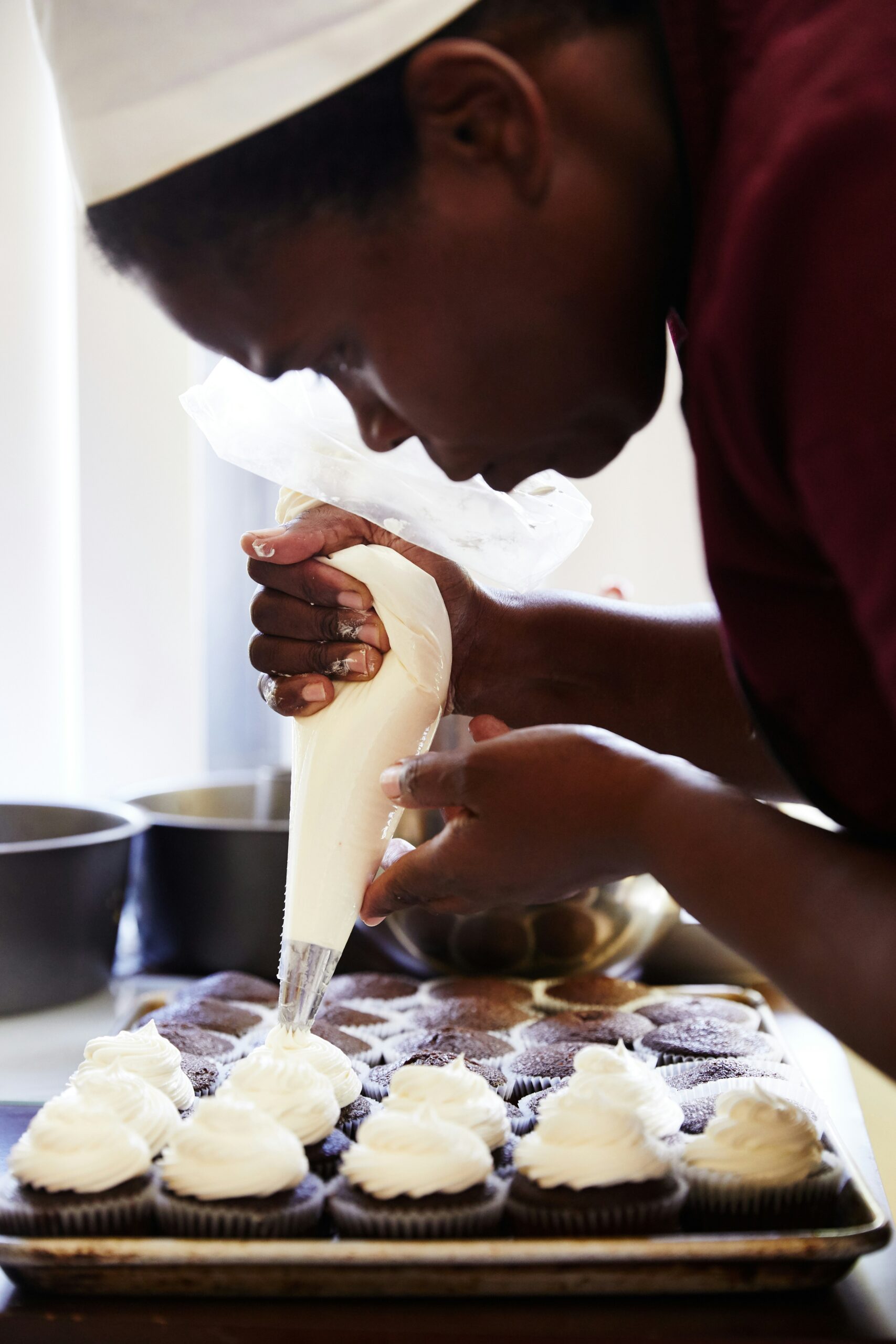
For frosting, consider classic buttercream, cream cheese frosting, or ganache to elevate your cake. When it comes to decoration, fresh fruits, edible flowers, or themed sprinkles can provide a professional touch. Take into account that some cakes, like sponge or chiffon, may require additional handling for frosting due to their lightness. Storing your birthday cake is crucial; wrap it well or place it in an airtight container to maintain freshness and flavor until the celebration.